
Immerse yourself in the magic of Winter holidays in national parks, where nature’s beauty meets adventure in the snow-covered landscapes.
Explore the wonders of winter activities, wildlife encounters, and breathtaking scenery that await you in these natural wonders.
WINTER HOLIDAYS
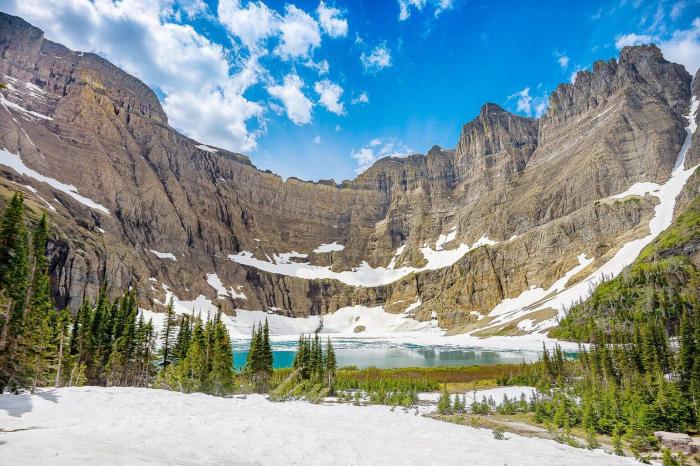
Winter holidays in national parks hold a special significance as they offer a unique opportunity to experience the beauty of nature in a different season. The snow-covered landscapes, glistening trees, and peaceful atmosphere create a magical setting for a memorable vacation.
Charm of Winter Holidays in National Parks
Spending winter holidays in national parks allows visitors to escape the hustle and bustle of daily life and immerse themselves in the tranquility of nature. The serene surroundings, blanketed in snow, offer a peaceful retreat where one can relax, unwind, and appreciate the beauty of the winter season.
Activities During Winter Holidays in National Parks
- Winter Hiking: Explore snow-covered trails and enjoy the quiet beauty of the winter landscape.
- Snowshoeing: Trek through snowy terrain on snowshoes for a unique outdoor adventure.
- Cross-Country Skiing: Glide through the snow-covered forests and meadows on cross-country skis.
- Wildlife Viewing: Spot winter wildlife such as elk, deer, and birds in their natural habitat.
- Photography: Capture the stunning winter scenery and create lasting memories of your trip.
Tips for Planning a Memorable Winter Holiday Trip
- Check Weather Conditions: Be prepared for cold temperatures and snowy conditions by packing appropriate clothing and gear.
- Make Reservations in Advance: National parks can get busy during the winter holidays, so book accommodations and activities ahead of time.
- Plan Your Itinerary: Research park attractions, trails, and activities to make the most of your winter holiday trip.
- Stay Safe: Follow park rules, stay on designated trails, and be aware of wildlife in the area to ensure a safe and enjoyable experience.
- Embrace the Quiet: Take time to appreciate the peace and tranquility of the winter season in the national park.
WINTER ACTIVITIES
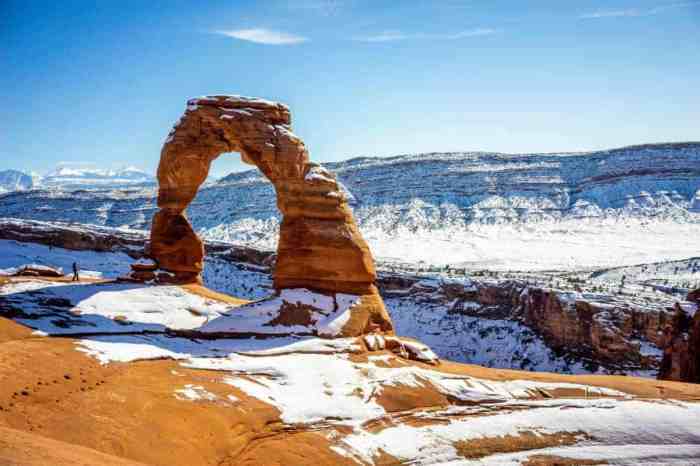
Winter in national parks offers a plethora of outdoor activities to enjoy the snowy landscapes and embrace the cold weather. From skiing to snowshoeing, there’s something for everyone to partake in during the winter months.
Skiing and Snowboarding
- One of the most popular winter activities in national parks is skiing and snowboarding.
- Equipment needed includes skis or snowboard, boots, poles, and appropriate winter clothing.
- Always check the weather conditions and avalanche risks before hitting the slopes.
Snowshoeing and Cross-country Skiing
- For a more serene winter experience, snowshoeing and cross-country skiing are great options.
- All you need are snowshoes or cross-country skis, poles, and layered clothing for warmth.
- Stay on marked trails and inform someone of your route before heading out.
Snowmobiling
- Some national parks allow snowmobiling on designated trails, providing an exhilarating way to explore the winter wonderland.
- Make sure to wear appropriate safety gear, including a helmet, and follow park regulations for snowmobiling.
- Be mindful of wildlife and other park visitors while on your snowmobile adventure.
WINTER WILDLIFE
Winter is a magical time to observe wildlife in national parks, as many species have unique adaptations to survive the cold weather.
Species of Wildlife in Winter
- White-tailed deer: Known for their ability to grow a thicker winter coat to stay warm.
- Bald eagles: Often seen near unfrozen bodies of water where they can easily catch fish.
- Elk: These majestic creatures can be spotted foraging in the snow for food.
Adaptations of Wildlife
Wildlife in national parks have various adaptations to cope with the challenges of winter, such as changing fur colors for camouflage and storing food during scarcity.
Observing Winter Wildlife
- Take a guided wildlife tour to learn more about the behavior and habitats of winter animals.
- Set up a spotting scope or binoculars near feeding areas to observe wildlife from a safe distance.
- Visit wildlife observation areas early in the morning or late in the afternoon when animals are most active.
Behavior of Wildlife in Winter
- Many animals hibernate or enter a state of torpor to conserve energy during the winter months.
- Some species, like foxes and coyotes, become more active in winter as they hunt for food in the snow.
- Birds migrate to warmer climates, while others, like chickadees, stay behind and puff up their feathers for insulation.
WINTER SCENERY
Winter transforms national parks into magical wonderlands, blanketing the landscape with a pristine layer of snow and ice. The beauty of winter scenery in national parks is unmatched, offering visitors a unique and breathtaking experience.
Picturesque Winter Landscapes
Winter in national parks showcases a diverse range of landscapes, from snow-covered mountains and frozen lakes to frost-covered forests and icy waterfalls. The contrast of white snow against the deep greens and browns of the trees creates a stunning visual display that is a feast for the eyes.
Best Viewpoints for Admiring Winter Scenery
To fully appreciate the winter scenery in national parks, visitors should head to elevated viewpoints such as mountain overlooks, scenic drives, and observation decks. These vantage points offer panoramic views of the snow-covered terrain, allowing visitors to take in the beauty of the winter wonderland from above.
Impact of Winter Weather on Natural Beauty
Winter weather plays a crucial role in enhancing the natural beauty of national parks during the winter season. The snow and ice transform the landscape, highlighting the contours of the land and adding a sense of tranquility and serenity to the surroundings. However, extreme winter conditions can also pose challenges for wildlife and vegetation, making it essential for visitors to respect the fragility of the ecosystem.
Photography Tips for Capturing Stunning Winter Scenes
Capturing the beauty of winter scenery in national parks requires careful consideration of lighting, composition, and camera settings. To take stunning winter photos, photographers should utilize the soft natural light of early morning or late afternoon, use a tripod for stability in low light conditions, and focus on capturing the intricate details of frost and snow-covered landscapes. Additionally, experimenting with different angles and perspectives can add depth and interest to winter photographs, allowing photographers to showcase the unique beauty of the winter season in national parks.
As you plan your next Winter holiday getaway, remember the unforgettable experiences that national parks offer during the coldest season.
FAQ Compilation
What are some unique activities to enjoy during Winter holidays in national parks?
Some unique activities include snowshoeing, ice climbing, and wildlife tracking tours.
How can I stay safe while engaging in winter sports in national parks?
Make sure to dress warmly, carry essentials like water and snacks, and be aware of weather conditions.
Which national parks are best known for their winter wildlife sightings?
Yellowstone National Park, Rocky Mountain National Park, and Denali National Park are popular for winter wildlife viewing.
Are there guided tours available for exploring winter scenery in national parks?
Yes, many national parks offer guided tours led by experienced naturalists to help visitors appreciate the winter landscapes.
What photography tips can enhance capturing winter scenes in national parks?
Use natural light to your advantage, focus on capturing textures in the snow, and experiment with different angles for unique shots.


