
Embark on a delightful exploration of Winter holidays in Europe, where enchanting traditions and vibrant celebrations await. From snowy landscapes to heartwarming customs, this journey promises an unforgettable experience for all wanderers.
Discover the allure of European winter wonderlands and immerse yourself in the rich tapestry of cultures that make this season truly magical.
WINTER HOLIDAYS
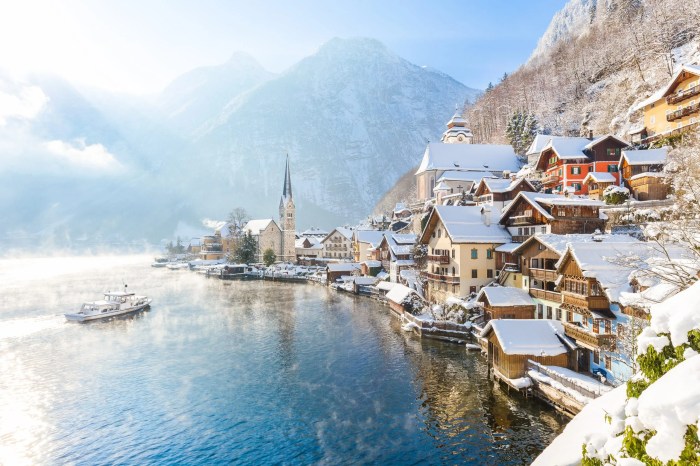
Winter holidays are a time of celebration and joy that take place during the colder months of the year, typically between December and January. It is a period where people come together to celebrate, relax, and enjoy various festivities.
The significance of winter holidays lies in the opportunity they provide for people to connect with loved ones, take a break from work or school, and reflect on the year that has passed. It is a time to spread warmth and cheer, despite the cold weather outside.
Cultural Traditions
- In Germany, the tradition of the Christkindlmarkt, or Christmas market, is a popular event where people gather to shop for handmade gifts, enjoy festive music, and indulge in traditional treats like gingerbread and mulled wine.
- In Sweden, the celebration of St. Lucia’s Day on December 13th involves a procession of children dressed in white carrying candles, honoring the country’s patron saint and bringing light to the darkness of winter.
- In Italy, the Feast of the Seven Fishes is a Christmas Eve tradition where families gather to enjoy a multi-course seafood meal, symbolizing the wait for the midnight birth of Jesus.
- In Spain, the celebration of Three Kings Day on January 6th involves parades, gift-giving, and the eating of Roscón de Reyes, a ring-shaped cake with hidden surprises inside.
Winter Holidays in Europe
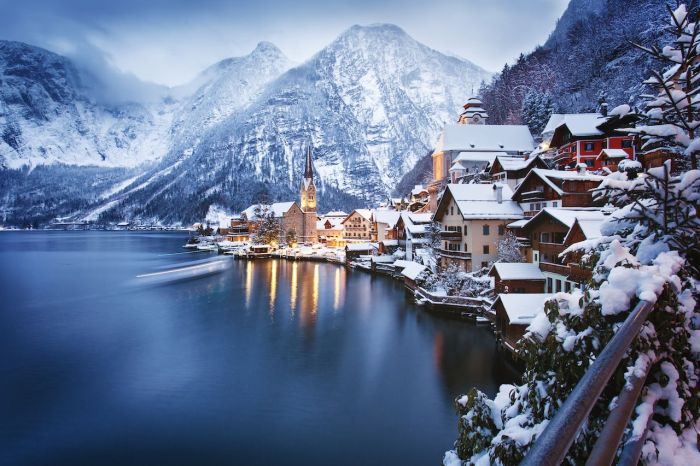
Europe is a magical destination during the winter season, offering a variety of popular winter holiday destinations, unique winter activities, and diverse celebrations across different countries.
Popular Winter Holiday Destinations
- Switzerland: Known for its picturesque alpine villages and world-class ski resorts such as Zermatt and St. Moritz.
- Austria: Home to the charming Christmas markets in Vienna and the stunning slopes of the Austrian Alps.
- France: Experience the enchanting holiday atmosphere in Paris or hit the slopes in the French Alps.
- Finland: Lapland offers a chance to meet Santa Claus and witness the mesmerizing Northern Lights.
Unique Winter Activities in Europe
- Ice Skating: Enjoy skating on outdoor rinks in cities like Amsterdam, Vienna, and London.
- Husky Sledding: Experience the thrill of gliding through snow-covered landscapes pulled by a team of huskies in Norway or Sweden.
- Winter Festivals: Attend traditional winter festivals like the Carnival of Venice in Italy or the Christmas markets in Germany.
Celebrations Across European Countries
- Germany: Christmas markets, known as “Weihnachtsmärkte,” offer festive food, drinks, and artisanal gifts.
- Spain: Celebrate the holiday season with traditional dishes like “turron” and “polvorones” during “Nochebuena” (Christmas Eve).
- Russia: Experience the magical atmosphere of “New Year’s Eve” celebrations with fireworks, music, and ice sculptures in Moscow’s Red Square.
Winter Festivals in Europe
Winter festivals in Europe are a vibrant and diverse celebration of culture and tradition. From Christmas markets to winter solstice festivals, each country has its own unique way of commemorating the season.
Famous Winter Festivals
- Christmas Markets in Germany: The famous Christmas markets in Germany are a must-visit during the holiday season, with vendors selling traditional crafts, food, and mulled wine.
- Carnival in Venice, Italy: The Venice Carnival is a spectacular event with elaborate masks, costumes, and parades that celebrate the history and culture of the city.
- Winter Solstice Celebrations in Scandinavia: Countries like Sweden, Norway, and Finland celebrate the winter solstice with festivals that include bonfires, traditional dances, and feasting.
Traditions and Customs
- In Germany, the tradition of Advent calendars and Christmas markets are a big part of the holiday season.
- In Spain, the celebration of Three Kings Day on January 6th marks the end of the Christmas season with parades and gift-giving.
- In the UK, the tradition of Boxing Day on December 26th involves giving gifts to service workers and those in need.
Historical Background
- Many winter festivals in Europe have roots in ancient pagan traditions that were later adapted into Christian celebrations.
- The winter solstice has long been a time of celebration in many cultures as a way to mark the changing of the seasons and the return of longer days.
- Over time, these festivals have evolved to incorporate a mix of religious, cultural, and secular traditions that make them unique to each region.
Winter Holiday Cuisine
In Europe, winter holidays are not only a time for celebration but also a time to indulge in traditional festive foods that hold cultural significance. These dishes are often passed down through generations and are an essential part of the holiday experience.
Traditional Winter Holiday Foods in European Countries
European countries have a rich culinary heritage when it comes to winter holiday foods. Each country has its unique dishes that are enjoyed during the festive season.
- In Italy, Panettone is a popular sweet bread traditionally enjoyed during Christmas. It is often filled with candied fruits and raisins.
- Germany is known for its hearty dishes like sauerkraut, bratwurst, and stollen, a fruit bread with nuts and spices.
- France celebrates with dishes like foie gras, oysters, and the iconic Yule log cake, known as Bûche de Noël.
Significance of Specific Dishes during the Winter Holiday Season
These traditional dishes hold special significance during the winter holidays, often symbolizing prosperity, good luck, or the coming of a new year.
- For example, in Spain, eating 12 grapes at midnight on New Year’s Eve is believed to bring good luck for each month of the upcoming year.
- In Greece, families bake a special bread called Vasilopita on New Year’s Day, which contains a hidden coin. The person who finds the coin is said to have good luck for the year.
Cultural Importance of Food during Winter Holidays in Europe
Food plays a central role in European winter holiday traditions, bringing families and communities together to share meals and create lasting memories.
- Many European countries have specific dishes that are only prepared during the holiday season, emphasizing the importance of these culinary traditions.
- Food also acts as a way to connect with cultural heritage and pass down recipes from one generation to the next, preserving culinary traditions for years to come.
As we conclude our journey through Winter holidays in Europe, we are left with a deep appreciation for the diverse traditions and culinary delights that define this festive season. Let the spirit of winter continue to warm our hearts until we meet again in the next holiday adventure.
General Inquiries
What are some unique winter activities to experience in Europe?
Visiting Christmas markets, skiing in the Alps, and enjoying winter festivals are some of the unique experiences you can have in Europe during the winter season.
Which European countries are known for their elaborate winter festivals?
Countries like Germany, Austria, and Switzerland are renowned for their elaborate winter festivals such as the Christmas markets and traditional parades.
What are some traditional winter holiday foods in Europe?
Traditional dishes like mulled wine, gingerbread cookies, and roasted chestnuts are popular winter holiday foods in Europe that you shouldn’t miss.


