
Embark on a journey through the diverse winter holiday traditions practiced worldwide, each offering a unique glimpse into the rich tapestry of global cultures. From Christmas to Hanukkah to Kwanzaa, discover the magic and meaning behind these cherished celebrations.
Delve into the customs, rituals, and festive spirit that define the winter holidays in different corners of the globe, highlighting the shared joy and traditions that connect us all.
Winter Holiday Traditions Around the World
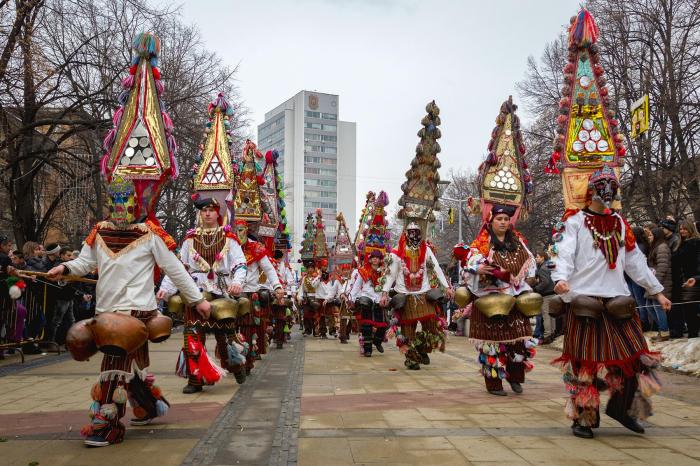
Winter holiday traditions hold significant cultural importance and are celebrated in various ways across the globe. These traditions not only bring communities together but also provide a sense of belonging and connection to one’s heritage. Let’s explore how different countries celebrate winter holidays and the unique customs they follow.
Christmas Traditions
Christmas is widely celebrated around the world, but each country has its own unique customs. In the United States, families often decorate Christmas trees and exchange gifts on Christmas morning. In Mexico, a festive tradition called Las Posadas involves reenacting Mary and Joseph’s search for a place to stay. Meanwhile, in Germany, the Christmas markets are a popular destination for locals and tourists alike.
Hanukkah Celebrations
Hanukkah, also known as the Festival of Lights, is a Jewish holiday celebrated for eight days. In Israel, families gather to light the menorah, eat traditional foods like latkes and sufganiyot, and play dreidel games. Jewish communities around the world also participate in these customs, adding their own cultural twists to the celebrations.
Winter Solstice Festivals
The winter solstice is a significant event in many cultures, marking the shortest day of the year. In Sweden, the festival of St. Lucia’s Day is celebrated with candlelit processions and traditional songs. In Japan, the winter solstice is observed with a hot bath called yuzu-yu to ward off illness and bad luck. These diverse celebrations showcase the cultural richness of winter holiday traditions worldwide.
Christmas Traditions
Christmas is a widely celebrated holiday around the world, with various traditions that have been passed down through generations. Some of the most common Christmas traditions include decorating Christmas trees and hanging stockings.
Origins of Christmas Traditions
- Decorating Christmas trees originated in Germany in the 16th century when people would decorate evergreen trees with candles and fruits.
- Hanging stockings by the fireplace is said to have originated from the story of Saint Nicholas, who left coins in the stockings of three poor sisters.
Christmas in Different Climates
- In tropical regions, where snow is not common, Christmas is celebrated with beach parties, barbecues, and outdoor activities.
- Countries in the Southern Hemisphere often have Christmas during their summer season, leading to unique traditions like surfing Santas or Christmas picnics.
Unique Christmas Traditions
- In Norway, it is common to hide brooms on Christmas Eve to prevent witches and evil spirits from stealing them.
- In Japan, people often celebrate Christmas by eating KFC, as it has become a popular tradition due to a successful marketing campaign in the 1970s.
Hanukkah Celebrations
Hanukkah, also known as the Festival of Lights, is a Jewish holiday that commemorates the rededication of the Second Temple in Jerusalem. It is a time of joy and celebration for Jewish communities around the world.
The historical background of Hanukkah dates back to the 2nd century BCE when the Jewish people rebelled against the Greeks who had desecrated the Temple. The miracle of the oil, where a single day’s worth of oil lasted for eight days, is a central theme of Hanukkah and is symbolized by the lighting of the menorah.
Customs and Rituals
- The lighting of the menorah: Each night of Hanukkah, a candle is lit on the menorah to commemorate the miracle of the oil.
- Playing dreidel: A traditional Hanukkah game involving a spinning top, often played with chocolate coins known as gelt.
- Enjoying traditional foods: Foods fried in oil, such as latkes (potato pancakes) and sufganiyot (jelly-filled doughnuts), are commonly enjoyed during Hanukkah.
- Giving and receiving gifts: In some Jewish communities, gift-giving is a common practice during Hanukkah, especially for children.
Variations in Traditions
- In Israel, Hanukkah is celebrated with an emphasis on the historical and religious significance of the holiday, including public menorah lightings and special events.
- In Sephardic Jewish communities, traditions such as eating fried foods like bimuelos (fritters) are common during Hanukkah.
- In Ashkenazi Jewish communities, latkes and sufganiyot are popular Hanukkah foods, along with other traditional dishes.
- Some Jewish communities incorporate unique customs and rituals into their Hanukkah celebrations, reflecting their cultural heritage and traditions.
Kwanzaa Festivities
Kwanzaa is a week-long celebration honoring African heritage and culture. It is observed from December 26th to January 1st each year.
Principles and Symbols of Kwanzaa
Kwanzaa is centered around seven core principles known as the Nguzo Saba, which are values meant to reinforce the community and promote unity. Each day of Kwanzaa is dedicated to one of these principles, such as Umoja (Unity) and Kuumba (Creativity). The symbols of Kwanzaa include the Kinara (candleholder), Mkeka (mat), and Mazao (crops).
Cultural Importance in the African American Community
Kwanzaa holds significant cultural importance in the African American community as a way to reconnect with African roots, celebrate heritage, and promote unity. It serves as a time for reflection, community building, and honoring ancestors.
Traditional Practices and Activities
During Kwanzaa, families come together to light the seven candles on the Kinara, each representing a different principle. They also engage in activities such as storytelling, drumming, dancing, and feasting on traditional African dishes. Gifts, known as Zawadi, are often exchanged to encourage self-improvement and personal growth among family members.
As we wrap up our exploration of winter holiday traditions around the world, we are reminded of the beauty in diversity and the universal themes of love, family, and togetherness that permeate these festive occasions. Embrace the spirit of unity and goodwill as we continue to honor these timeless traditions year after year.
Frequently Asked Questions
What are some unique winter holiday traditions in non-Western countries?
In Japan, it’s common to eat KFC on Christmas, and in India, Christmas is celebrated with mango trees decorated instead of traditional Christmas trees.
How do different cultures incorporate music into their winter holiday traditions?
From Christmas carols to traditional Hanukkah songs, music plays a significant role in enhancing the festive atmosphere and bringing communities together during the winter holidays.
Are there any specific rituals associated with Kwanzaa celebrations?
One key ritual is the lighting of the Kinara, a candle holder with seven candles representing the seven principles of Kwanzaa, each lit on a different day of the celebration.


